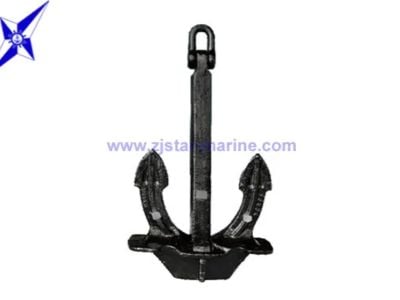
Dock rubber fender systems is key tools for guarding bulk cargo terminals. These terminals deal with huge cargo loads. When ships dock, boat anchor danforth got to be careful so not to hurt the terminal or the ship itself. Dock rubber fende...
VIEW MORE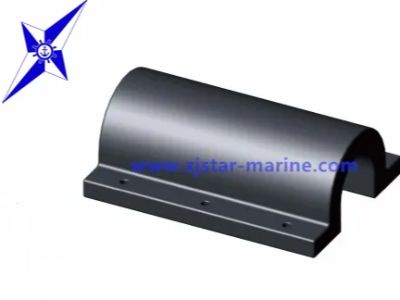
Taking care of heavy-duty tugboat RUBBER FENDERS is essential for maintaining safe and efficient port operations. These fenders help protect vessels and docks from damage during docking and towing activities. ZJStar manufactures high-qualit...
VIEW MORE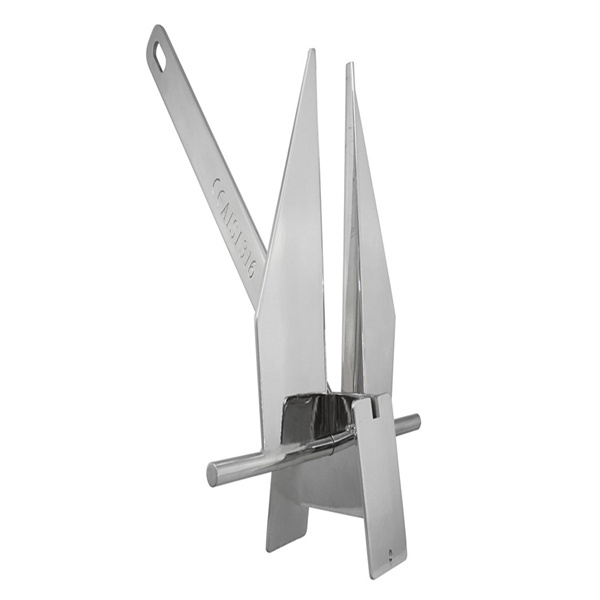
Preformed Tug Boat Rubber FendersPreformed tug boat rubber fenders are important tools in shipping industry. They helps protect boats from damage when docking or moving around others. Made from strong rubber material that can absorb hits good. The sp...
VIEW MORE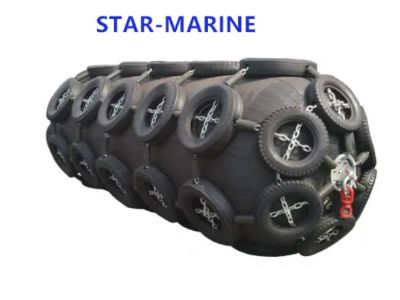
When it comes to handling ships in rough waters, offshore tug boats play a key role. They help big ships dock safely, especially in busy ports or bad seas. Rubber fenders are one important part here. These soft barriers protect the tug boat and ship ...
VIEW MORE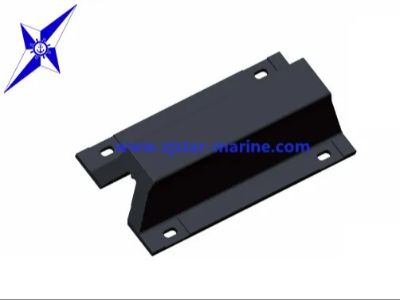
Tugboats are strong boats that help other ships go in and out of harbors. They need special gear to stay safe during work. One key thing is rubber fenders. At zjstar, we make tough tugboat rubber fender that protect both tugboats and the sh...
VIEW MORE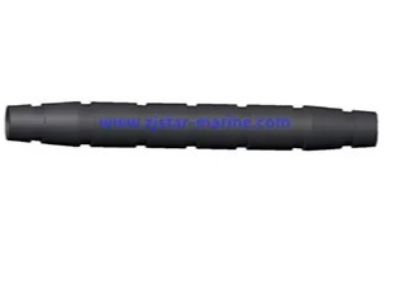
Tugboats are important vessels that help large ships move safely in water. They are often used to guide ships into ports or through narrow channels. One key part of a tugboat is its rubber fender. Fenders act like soft bumpers that protect both the t...
VIEW MORE
Tug boats is important for move large ships in harbors or rough waters. They need strong rubber bumpers to protect themself and the ships they helps. These rubber fenders design to absorb shocks when tug boat push or pull other vessels. A good fender...
VIEW MORE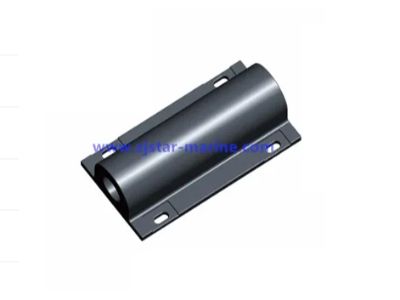
Rubber fenders is important part for port work. They protect ships and docks when boats come docking. Ships arrive to load or unload cargo, they needs good secure. Fenders act like cushions absorb impact, keep everything safe. If fenders not work wel...
VIEW MORE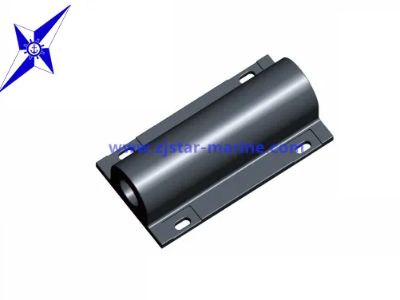
Tug boats are special boats that help other ships move in harbors or tough waters. They needs strong fenders to protect them from bumps and crash. One good option for tug boats is high energy absorbtion fenders. These fenders are made to soak up a lo...
VIEW MORE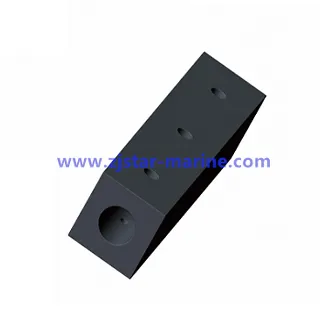
Inflatable Boat Fenders: Lightweight Adaptability for Dynamic Docking Conditions How air compression and rebound dynamics deliver responsive impact absorption Inflatable boat fenders absorb impact through controlled air displacement. When a vessel ...
VIEW MORE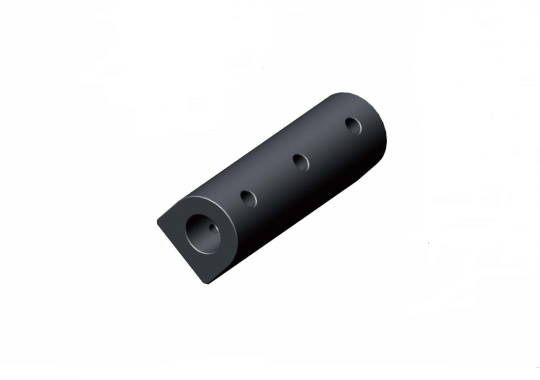
Marine rubber fenders are very important tools in ports and harbors. They can serve to prevent damage to ships and docks when they are being docked and undocked. Tugs pull ships into place, care must be taken. Rubber fenders function as cushions betw...
VIEW MORE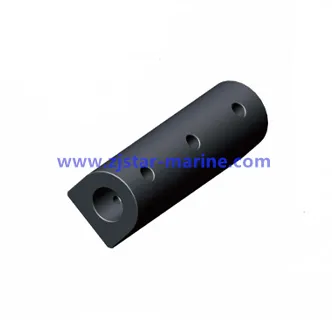
Piling Fenders: Secure Mounting on Steel and Concrete Marine Piles Bolt-Through vs. Embedded Anchors: Selecting the Right Fixing System for Marine Piling Fenders Bolt-through systems deliver superior shear resistance for steel piles by passing thre...
VIEW MORE EN
EN
 AR
AR FR
FR DE
DE IT
IT JA
JA KO
KO PT
PT RU
RU ES
ES BG
BG HR
HR CS
CS NL
NL FI
FI EL
EL NO
NO PL
PL RO
RO SV
SV ID
ID LT
LT SR
SR SL
SL UK
UK VI
VI SQ
SQ ET
ET HU
HU TH
TH FA
FA TR
TR MS
MS GA
GA LA
LA DA
DA HI
HI TL
TL SK
SK AF
AF