 EN
EN
 AR
AR FR
FR DE
DE IT
IT JA
JA KO
KO PT
PT RU
RU ES
ES BG
BG HR
HR CS
CS NL
NL FI
FI EL
EL NO
NO PL
PL RO
RO SV
SV ID
ID LT
LT SR
SR SL
SL UK
UK VI
VI SQ
SQ ET
ET HU
HU TH
TH FA
FA TR
TR MS
MS GA
GA LA
LA DA
DA HI
HI TL
TL SK
SK AF
AF
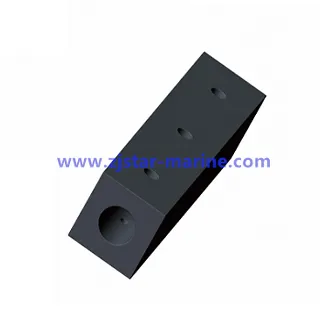
Inflatable Boat Fenders: Lightweight Adaptability for Dynamic Docking Conditions
How air compression and rebound dynamics deliver responsive impact absorption
Inflatable boat fenders absorb impact through controlled air displacement. When a vessel contacts the dock, the air chamber compresses—converting kinetic energy into thermal energy—and reduces peak force loads on the hull by up to 60% compared to rigid barriers. During rebound, the gradual reinflation of the chamber creates a delayed cushioning effect that prevents hull rebound toward the dock. This dual-phase mechanism delivers superior protection in swell-prone areas where vessels experience multi-directional momentum shifts.
Performance comparison: inflatable vs. solid fenders in choppy vs. calm marina environments
Inflatable and solid fenders perform differently across water conditions:
-
Choppy harbors (wave height >1.5 ft):
Inflatables maintain consistent hull-dock separation through compressibility, reducing hull abrasion by 45% during sustained rolling. Solid fenders risk intermittent contact gaps in turbulent waters. -
Calm marinas:
Solid fenders provide reliable static protection but transfer 30% more impact force during accidental collisions. Inflatables exert lower reaction forces (<15 kN) during low-speed docking, minimizing gelcoat fractures.
Key advantages include adaptability to tidal variations, reduced maintenance in salt-spray zones, and compact storage when deflated.
Round Fenders: The Proven Standard for Balanced Energy Absorption and Versatility
Why cylindrical geometry optimizes contact surface and pressure distribution across hull curves
Round fenders leverage cylindrical geometry to maximize hull contact area, distributing impact forces evenly across curved surfaces and preventing pressure concentration that can cause gelcoat fractures. According to ABYC standards, cylindrical shapes achieve 40% wider contact patches than flat panels during angular impacts. Their continuous curvature enables smooth energy transfer along hull contours—reducing point-load damage during tidal shifts or wake impacts—and maintains consistent rebound properties across 15°–75° berthing angles.
Material deep dive: PVC longevity vs. rubber resilience under UV, ozone, and salt exposure
Material choice critically affects round fender performance in harsh marine environments:
- PVC compounds offer superior UV resistance, retaining flexibility for 5–7 years in tropical climates. NMMA testing shows PVC loses only 15% tensile strength after 3,000 hours of accelerated UV exposure—but stiffens below 0°C, reducing impact absorption.
- Natural rubber maintains elasticity across extreme temperatures (–20°C to 60°C) but degrades faster under ozone; saltwater accelerates oxidation, with studies showing 30% faster wear in high-salinity harbors versus freshwater lakes.
For optimal balance, hybrid materials like chloroprene rubber combine ozone resistance with cold-weather performance. ASTM G154 weathering tests reveal these hybrids withstand 8+ years of coastal exposure while maintaining 90% energy absorption capacity.
Corner Fenders: Engineered Protection for High-Stress Berthing Zones
D-shape physics: lateral force redirection away from vulnerable hull seams and chines
The D-shaped profile of corner fenders transforms impact physics during berthing. Its flat back provides a rigid mounting plane, while the curved front concentrates force dissipation along an engineered radius. This geometry actively deflects lateral forces parallel to the dock face—channeling energy away from critical stress points like hull-to-deck joints and chine edges, where fiberglass delamination commonly initiates. By redistributing pressure across the broadest possible contact area, D-fenders reduce localized stress concentrations by up to 40% compared to circular equivalents—a key advantage against piling strikes or misaligned approaches. Their inherent stability also prevents rotational slippage during tidal shifts, ensuring consistent coverage where angled hull sections intersect docks.
Dock Fenders: Strategic Selection Based on Vessel Size, Environment, and Mounting Requirements
Sizing methodology: NMMA/ABYC guidelines linking boat length, freeboard, and fender diameter
Proper fender sizing follows NMMA and ABYC standards:
- Match fender diameter to boat length (1" per 5' vessel length)
- Scale protection to freeboard height—higher clearance requires larger fenders
- Account for displacement: Heavy vessels need 30–50% larger diameters than light crafts
For example, a 30-foot yacht with 3-foot freeboard typically needs 6–8" diameter fenders to distribute kinetic energy effectively and prevent hull damage during berthing.
Mounting best practices: cleat placement, line angles, and tension optimization for all fender types
Optimize protection with these universal techniques:
- Position cleats wider than the fender’s width to prevent line chafing
- Maintain ≤30° line angles to vertical for stability
- Adjust tension to allow ⅓ compression when contacting docks
Apply these principles consistently across inflatable, round, and corner fenders. Periodic tension checks help maintain protection amid tidal changes or passing wakes.
FAQ
What makes inflatable boat fenders effective in absorbing impacts?
Inflatable boat fenders use controlled air displacement to absorb kinetic energy, reducing peak force loads on the hull and providing delayed cushioning during rebound, making them ideal for dynamic docking conditions.
Are inflatable fenders better for choppy waters compared to solid fenders?
Yes, inflatable fenders perform better in choppy harbors due to their compressibility, which maintains consistent hull-dock separation and reduces abrasion. Solid fenders, on the other hand, may cause intermittent contact gaps.
What are the benefits of round fenders for curved hulls?
Round fenders evenly distribute impact forces across curved hull surfaces, reducing pressure concentrations that could lead to gelcoat fractures, while also ensuring optimal energy transfer during docking.
Which materials are best for round fenders in harsh environments?
PVC offers superior UV resistance for tropical climates, while natural rubber excels in extreme temperatures. Hybrid materials like chloroprene rubber combine durability and performance in varying conditions.
What are D-shaped corner fenders used for?
D-shaped corner fenders redirect lateral forces away from hull seams and chines, reducing stress concentrations and providing stability during tidal shifts and piling strikes.
How should I size dock fenders for my boat?
Follow NMMA and ABYC guidelines: match fender diameter to boat length (1" per 5' length) and consider freeboard height and vessel weight for heavy boats.
Table of Contents
- Inflatable Boat Fenders: Lightweight Adaptability for Dynamic Docking Conditions
- Round Fenders: The Proven Standard for Balanced Energy Absorption and Versatility
- Corner Fenders: Engineered Protection for High-Stress Berthing Zones
- Dock Fenders: Strategic Selection Based on Vessel Size, Environment, and Mounting Requirements
-
FAQ
- What makes inflatable boat fenders effective in absorbing impacts?
- Are inflatable fenders better for choppy waters compared to solid fenders?
- What are the benefits of round fenders for curved hulls?
- Which materials are best for round fenders in harsh environments?
- What are D-shaped corner fenders used for?
- How should I size dock fenders for my boat?