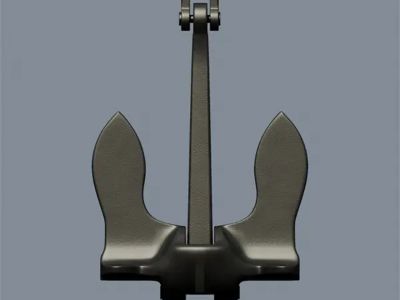
Rubber fenders are essential tools used in marine applications. They help protect boats and docks from damage when they come into contact with each other. The shape of the fender is very important. Different shapes can absorb impact better and provid...
VIEW MORE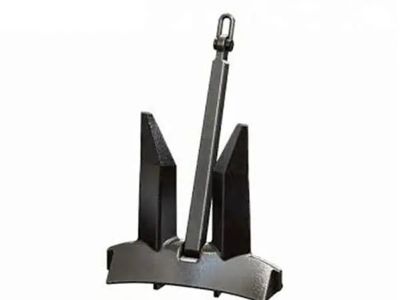
Choosing the right tug boat rubber fender size is important for keeping vessels safe. Zjstar makes many types of rubber fenders that protect boats when they come close to docks or other ships. Rubber fenders are like soft cushions that stop ships fro...
VIEW MORE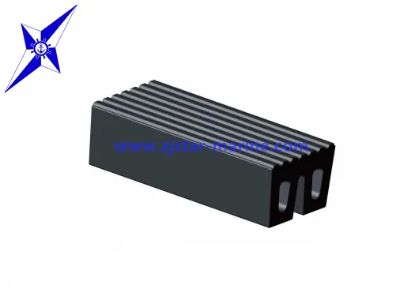
Tug boat rubber fenders are important parts of marine equipment. These fenders help protect boats from damage when they are docking or moving close to each other. They act like cushions, absorbing the impact when boats come in contact with the dock o...
VIEW MORE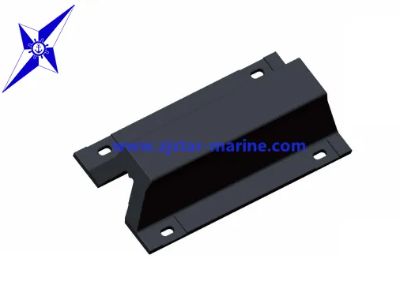
Tug Boat Rubber FendersTug boats are special boats that help big ships move safely in harbors and through narrow waterways. One important part of a tug boat is its rubber fenders. These fenders are like cushions that protect both the tug boat a...
VIEW MORE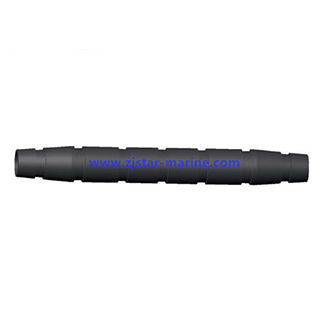
Tug boats are important vessels that help move larger ships in and out of ports. They are powerful and strong, but they need special protection when they are close to other boats or the dock. This protection comes from rubber fenders. Rubber fenders ...
VIEW MORE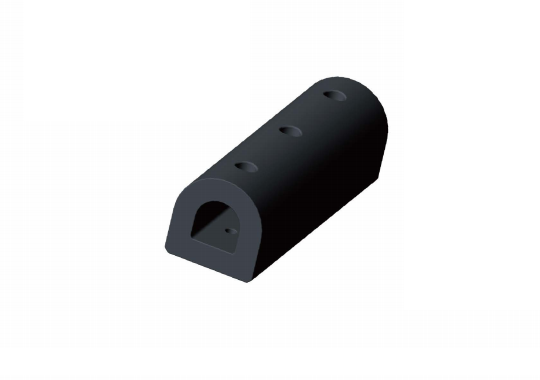
Tug boats are special boats that help larger ships dock and un-dock safely. They are very important in busy ports where ships come and go all the time. To keep these operations safe, tug boats use rubber fenders. These fenders act like big cushions t...
VIEW MORE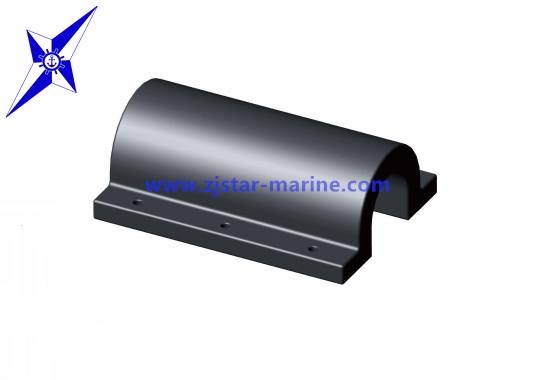
Tug boats are very important in harbors. They help big ships move safely in and out of the docks. One key part of how tug boats do their job well is something called rubber fender profiles. These fenders are soft, rubber bumpers on the tug boats that...
VIEW MORE
Tugboats are vital for moving big ships safely in the water, relying on rubber fenders to protect both themselves and the vessels they assist. Over time, the designs of these fenders have changed significantly to keep pace with modern escort tugs, wi...
VIEW MORE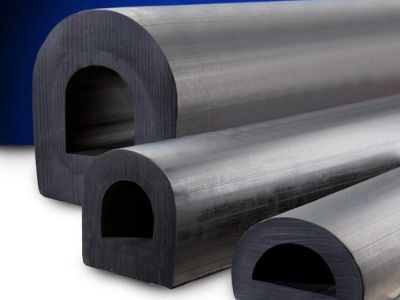
Marine rubber fender systems are important for protecting boats and docks from damage. These fenders act like cushions when ships come into contact with the dock or another vessel. Understanding how long these fender systems last is key for...
VIEW MORE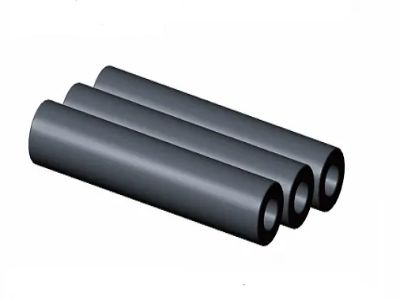
Dock rubber fender systems is important for container terminals. They helps protect both the terminal and the ships that come to dock. When ships arrive, they needs to stop safely without causing damage. Rubber fenders act like a cushion between the ...
VIEW MORE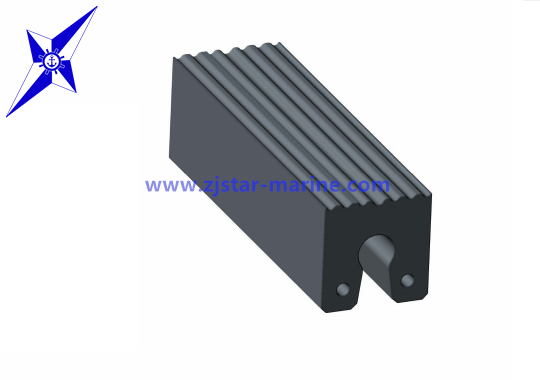
Dock rubber fenders are key pieces in ports and harbors. They help keep boats and ships safe when docking. These fenders soak up the impact when a ship bumps the dock, which protect both the vessel and the dock. At zjstar, we make high-quality dock r...
VIEW MORE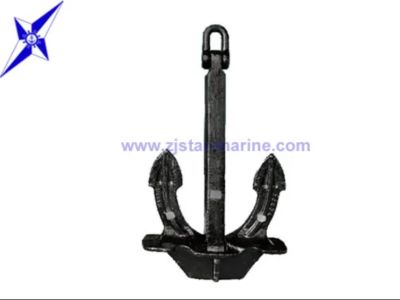
Tug boats plays a big role in helping large ships move safe in and out of ports. They guide these giant vessels and stop them from crashing into docks or other boats. A main thing in this is the rubber fender on tug boats. These fenders acts like sof...
VIEW MORE EN
EN
 AR
AR FR
FR DE
DE IT
IT JA
JA KO
KO PT
PT RU
RU ES
ES BG
BG HR
HR CS
CS NL
NL FI
FI EL
EL NO
NO PL
PL RO
RO SV
SV ID
ID LT
LT SR
SR SL
SL UK
UK VI
VI SQ
SQ ET
ET HU
HU TH
TH FA
FA TR
TR MS
MS GA
GA LA
LA DA
DA HI
HI TL
TL SK
SK AF
AF