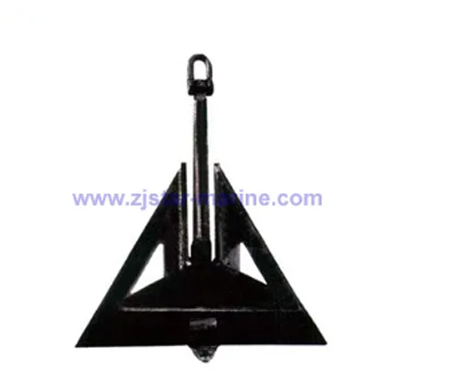
Material and Certification Standards for Offshore Anchor and Chain Systems Corrosion-Resistant Materials: Galvanized Steel, AISI 316 Stainless Steel, and R3/R4 Grade Alloys Offshore anchor and chain systems must withstand seawater corrosion, high h...
VIEW MORE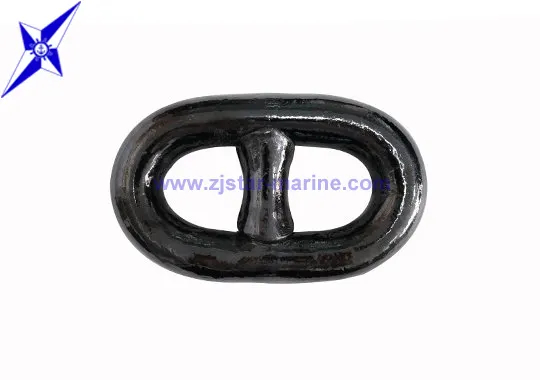
Understanding the Core Relationship Between Vessel Tonnage and Anchor Chain Diameter Why Deadweight Tonnage (DWT) — Not Gross Tonnage — Drives Chain Sizing Decisions Deadweight Tonnage (DWT) directly reflects a vessel’s displaceme...
VIEW MORE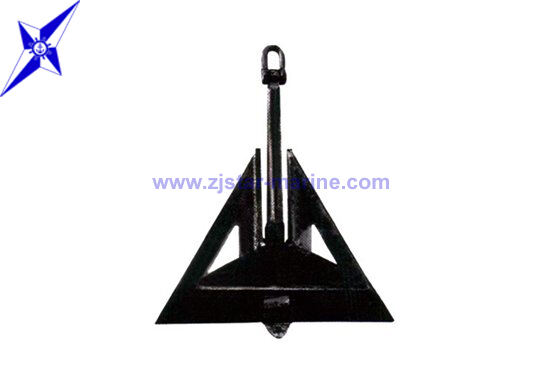
How Anchor Design Determines Holding Power Tip loading, fluke angle, and burial depth: Core physics principles Anchor holding power hinges on three interdependent physics principles: tip loading, fluke angle, and burial depth. Tip loading—the...
VIEW MORE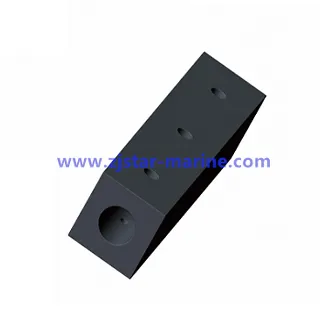
SOTRA Anchor Chain as Marine Rubber Fenders: Engineering Heritage Meets Modern Performance Leveraging Decades of Chain Manufacturing Expertise for Superior Fender Design SOTRA’s marine fender solutions draw on over 50 years of anchor chain ma...
VIEW MORE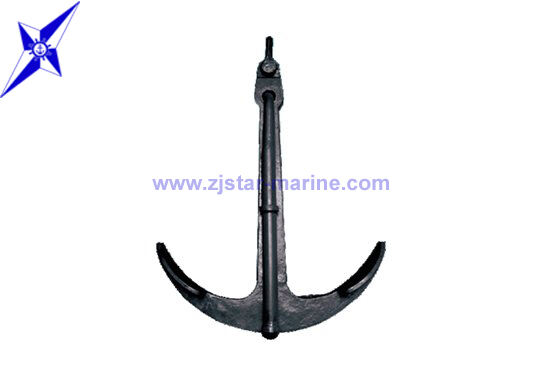
Anchor Chain Inspection: Spotting Wear, Corrosion, and Elongation Early Recommended Inspection Frequency and Accurate Wear Measurement Protocols Regular inspection is fundamental to anchor chain maintenance. Industry guidelines recommend visual che...
VIEW MORE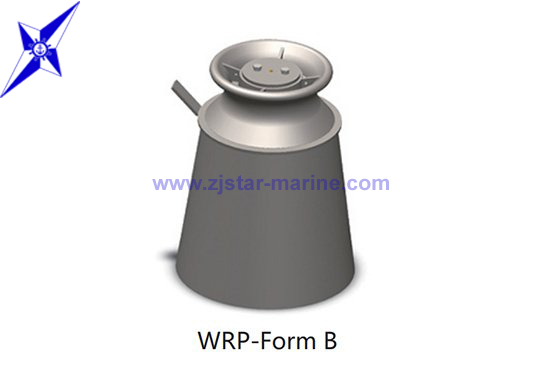
Weight Impact on Winch Performance and Vehicle Integration Density Differences and Real-World Mass Savings with Aluminum Fairleads Aluminum’s density (2.7 g/cm³) is roughly one-third that of steel (7.8 g/cm³), enabling meaningful we...
VIEW MORE
Anchor Chain Certification: A Foundational Safety and Regulatory Requirement Structural Risks of Uncertified or Expired Mooring Systems Uncertified or expired anchor chains introduce critical structural vulnerabilities in marine operations. Without...
VIEW MORE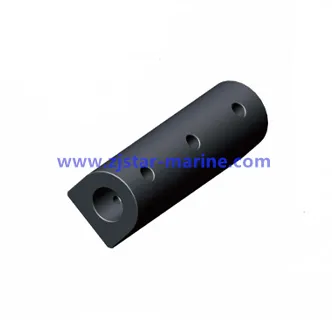
How Rubber Fenders Absorb Berthing Energy and Prevent Damage Physics of impact absorption: compression, deformation, and energy dissipation Rubber fenders protect docks by converting a vessel’s kinetic energy into strain energy through contro...
VIEW MORE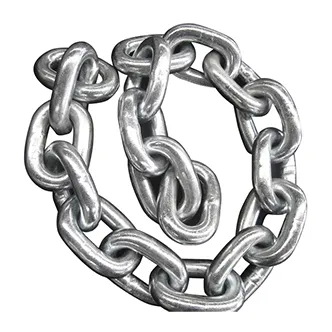
Understanding Anchor Chain Grades: BBB, G4, and Material Science Fundamentals Tensile Strength, Working Load Limit (WLL), and ASTM/ISO Grading Standards Anchor chain grades like BBB and G4 are classified by ASTM and ISO standards based on tensile s...
VIEW MORE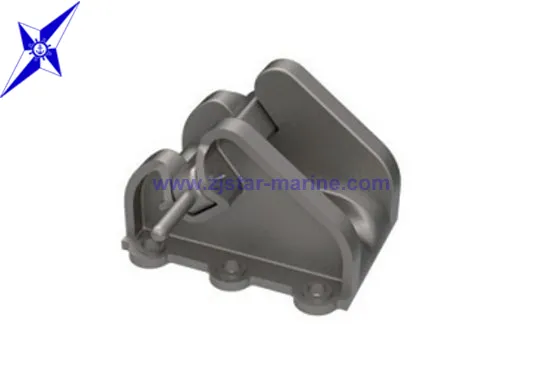
Key Chain Stopper Types for Bow and Mooring Systems Pelican Hook Chain Stoppers: Lightweight, Bow-Optimized Load Transfer Pelican hook chain stoppers feature a hinged locking arm that snaps shut over the chain. Constructed from lightweight aluminum...
VIEW MORE
How Heavy-Duty Rubber Fenders Absorb Berthing Energy While Minimizing Reaction Force Why Mega-Vessels Demand Higher Energy Absorption: From 300,000+ DWT Cargo Ships to 300m+ Cruise Liners Modern mega-vessels—cargo ships exceeding 300,000 dead...
VIEW MORE
Why Roller Fairleads Are Essential for Winch Performance and Rope Longevity How Misalignment Causes Friction, Heat, and Synthetic Rope Damage When winch ropes exit at improper angles—common without roller fairleads—they scrape against f...
VIEW MORE EN
EN
 AR
AR FR
FR DE
DE IT
IT JA
JA KO
KO PT
PT RU
RU ES
ES BG
BG HR
HR CS
CS NL
NL FI
FI EL
EL NO
NO PL
PL RO
RO SV
SV ID
ID LT
LT SR
SR SL
SL UK
UK VI
VI SQ
SQ ET
ET HU
HU TH
TH FA
FA TR
TR MS
MS GA
GA LA
LA DA
DA HI
HI TL
TL SK
SK AF
AF