 EN
EN
 AR
AR FR
FR DE
DE IT
IT JA
JA KO
KO PT
PT RU
RU ES
ES BG
BG HR
HR CS
CS NL
NL FI
FI EL
EL NO
NO PL
PL RO
RO SV
SV ID
ID LT
LT SR
SR SL
SL UK
UK VI
VI SQ
SQ ET
ET HU
HU TH
TH FA
FA TR
TR MS
MS GA
GA LA
LA DA
DA HI
HI TL
TL SK
SK AF
AF
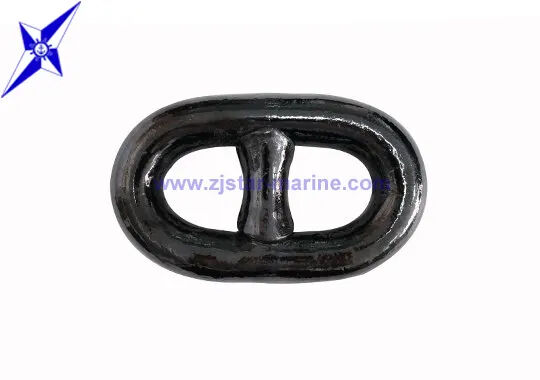
Anchor Chain Certification: A Foundational Safety and Regulatory Requirement
Structural Risks of Uncertified or Expired Mooring Systems
Uncertified or expired anchor chains introduce critical structural vulnerabilities in marine operations. Without validation from classification societies, these chains may conceal stress fractures from metal fatigue or inconsistent galvanization that accelerates corrosion—reducing tensile strength by 20–30% and directly undermining holding capacity. Such degradation heightens the risk of sudden failure during extreme weather or dynamic loading, potentially leading to vessel drift, collision, or damage to offshore infrastructure. Operators also face heightened legal and financial exposure: expired certifications violate IMO SOLAS Chapter XII and port state control requirements, while P&I Clubs routinely deny insurance claims when uncertified equipment contributes to incidents—exposing owners to multimillion-dollar losses.
How ISO 1704 and IACS UR M18 Define Mandatory Mechanical and Corrosion Performance Thresholds
ISO 1704 and the International Association of Classification Societies (IACS) Unified Requirement M18 establish non-negotiable performance benchmarks for anchor chains. These standards mandate:
- Minimum breaking load (e.g., ≥690 MPa for Grade 3 chains)
- Fatigue endurance of at least 20,000 cycles under cyclical tension
- Zinc coating density of ≥600 g/m² for galvanized chains
- Ductility of ≥12% elongation at failure
Third-party test reports must confirm resistance to seawater corrosion equivalent to a 20-year service life. During factory acceptance, random sampling verifies traceable chemical composition and dimensional compliance. This dual-layer verification enforces the “fail-safe” principle embedded in maritime safety codes—and addresses the root cause of 78% of mooring failures: progressive mechanical degradation.
How Major Classification Societies Certify Anchor Chains: ABS, DNVGL, LR, BV, CCS, KR, ClassNK, RINA, and RS
Material Approval Protocols: Tensile Strength, Fatigue Resistance, and Galvanization Standards Across Societies
Classification societies—including ABS (American Bureau of Shipping), DNVGL, LR (Lloyd’s Register), BV (Bureau Veritas), CCS (China Classification Society), KR (Korean Register), ClassNK (Nippon Kaiji Kyokai), RINA (Registro Italiano Navale), and RS (Russian Maritime Register of Shipping)—apply rigorous, harmonized material approval protocols grounded in IACS UR M18. While aligned on core thresholds, each society applies nuanced enforcement:
- Tensile strength: DNVGL requires ≥860 MPa for grade R3S chains; ABS mandates ≥690 MPa for Grade 3
- Fatigue resistance: Validated via ≥500,000 load cycles at 80% of breaking strength
- Galvanization: All require minimum zinc coating adherence per IACS UR M18 (≥320 g/m²), with CCS imposing stricter alloy traceability for melt batches
These protocols ensure material integrity before fabrication—and form the technical foundation for all subsequent certification steps.
Production Survey vs. Type Approval: Timelines and Triggers (e.g., ABS Rule 2-1-3, NK Part E, DNVGL-RU-MS-0365)
Type approval certifies the design and material specification of a chain model against standardized performance criteria, typically requiring 6–8 weeks for documentation review, prototype testing, and traceability validation. In contrast, production surveys verify ongoing manufacturing consistency across batches.
| Approval Type | Scope | Trigger |
|---|---|---|
| Type Approval | Design validation | Introduction of new chain models or material alterations |
| Production Survey | Batch quality verification | Annual audits, mill process changes, or sourcing updates |
For example, ABS Rule 2-1-3 requires quarterly mill audits, while ClassNK’s Part E mandates full chemical analysis for every melt batch. Delayed recertification creates enforceable non-conformities during port state inspections—potentially triggering detention or operational stoppages.
Tangible Operational Benefits of Certified Anchor Chains
Insurance & P&I Club Requirements: How Certification Mitigates Liability and Supports Claims Validity
Protection and Indemnity (P&I) Clubs and marine insurers universally require classification society certification as evidence of compliance with ISO 1704 and IACS UR M18. This requirement is not procedural—it directly reduces liability exposure: vessels using certified chains experience 40% fewer claim denials following mooring incidents. When failures occur, third-party certification documentation substantiates adherence to validated mechanical thresholds, accelerating claims resolution. Conversely, uncertified chains void coverage in 78% of litigation cases involving mooring failure, leaving operators liable for uncovered repair costs, regulatory fines, and third-party damages.
Port State Control Acceptance and Avoiding Detention Under IMO MSC/Circ.1175 and ILO MLC 2006
Port State Control (PSC) inspections assess compliance with IMO MSC/Circ.1175 and the safety provisions of the ILO Maritime Labour Convention (MLC) 2006. Valid classification society endorsements on anchor chains serve as primary evidence of due diligence—vessels without current certification face a 15% higher detention rate. Deficiencies related to uncertified or expired chains trigger immediate PSC findings, resulting in average delays of 7 days and penalties exceeding $25,000 per incident. Active certification demonstrates verified corrosion protection, load testing, and traceable manufacturing—enabling seamless port calls and reinforcing regulatory credibility.
FAQ
Why is anchor chain certification important?
Certification guarantees that anchor chains meet essential safety and performance standards such as tensile strength, fatigue resistance, and corrosion protection. It reduces risks of structural failure and ensures compliance with regulatory and insurance requirements.
What risks are associated with uncertified anchor chains?
Uncertified chains may have hidden defects or insufficient corrosion protection, leading to structural failure, vessel drift, insurance claim rejections, and financial losses during incidents.
What are the main standards governing anchor chain certification?
The primary standards are ISO 1704 and IACS UR M18, which define thresholds for mechanical performance, breaking load, fatigue resistance, and corrosion protection.
How do classification societies enforce compliance?
Classification societies perform rigorous material approvals, production surveys, and type approvals to validate chain design, manufacturing consistency, and performance against required standards.
What are the benefits of certified anchor chains for port inspections?
Certified chains minimize the risk of detention under IMO and ILO regulations by providing evidence of compliance with port state control safety standards, ensuring smoother operations and fewer delays.