 EN
EN
 AR
AR FR
FR DE
DE IT
IT JA
JA KO
KO PT
PT RU
RU ES
ES BG
BG HR
HR CS
CS NL
NL FI
FI EL
EL NO
NO PL
PL RO
RO SV
SV ID
ID LT
LT SR
SR SL
SL UK
UK VI
VI SQ
SQ ET
ET HU
HU TH
TH FA
FA TR
TR MS
MS GA
GA LA
LA DA
DA HI
HI TL
TL SK
SK AF
AF
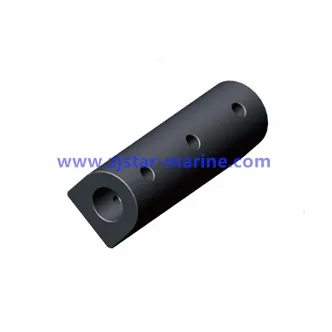
Paghahambing ng Pagganap: Pag-absorb ng Enerhiya at Reaksyon na Lakas sa 50% na Pag-compress
Paano Tinutukoy ng Pag-absorb ng Enerhiya (kJ/m) at Reaksyon na Lakas (kN) ang Kaligtasan sa Pag-dock
Ang kapasidad sa pagsipsip ng enerhiya (sinusukat sa kJ/m) ang tumutukoy sa kakayahan ng isang fender na mag-dissipate ng kinetic energy habang bumabangga ang sasakyang-dagat, habang ang puwersa ng reaksyon (sa kN) ay sumusukat sa stress sa istruktura na inililipat sa mga pantalan. Ang labis na puwersa ng reaksyon ay nanganganib na makapinsala sa imprastraktura ng pier—lalo na ang mga istrukturang konkreto, kung saan inirerekomenda ng PIANC Working Group 33 ang mga limitasyon na 80–100 kN/m² upang maiwasan ang pagbitak. Ang mga kinakailangan na partikular sa sasakyang-dagat ay lubhang nag-iiba-iba:
- Ang mga barko na RO-RO ay nangangailangan ng mga fender na may mababang reaksyon na may kabuuang pag-absorb ng enerhiya na 200–400 kNm upang maiwasan ang deformasyon sa katawan ng barko
- Ang mga container ship ay nangangailangan ng mabilis at kontroladong pagkalat ng enerhiya para sa karaniwang bilis ng pag-dock na 0.2–0.3 m/s
- Ang mga tanker at LNG carrier ay nangangailangan ng mataas na kapasidad ng pag-absorb ng enerhiya (500–2,500 kNm) dahil sa kanilang napakalaking displacement at inertia
Mahalaga ang pag-optimize ng balanse sa pagitan ng dalawang sukatan na ito upang maiwasan ang parehong pinsala sa dok at hindi ligtas na pag-contact ng barko.
Cone Fender vs GD-Type Rubber Fender: Kwantitatibong Pagtutulad sa Ilalim ng Pamantayang Kondisyon ng Pabigat
Ang pamantayan ng pagsusuri ayon sa ISO 17357 ay nagpapakita ng pare-parehong pagkakaiba sa pagganap sa 50% na compression. Ang mga rubber fender na GD-type ay nagbibigay ng 15–20% na mas mataas na pag-absorb ng enerhiya bawat metro ng haba kaysa sa katumbas na cone fender, samantalang lumilikha ng 8–12% na mas mababang pwersa ng reaksyon—dahil sa kanilang progressive at multi-chamber na compression profile. Para sa karaniwang 2-metro na yunit na sinusubok sa bilis ng impact na 0.15 m/s:
| Uri ng Fender | Pag-absorb ng Enerhiya (kJ/m) | Reaksiyon ng Lakas (kN) |
|---|---|---|
| Cone fender | 180–200 | 620–650 |
| GD-Type na Kaukolan | 210–230 | 550–580 |
Ang superior na kJ/kN na kahusayan ng GD-type ay nagmumula sa hugis ng kanyang nilalang na silid, na nagpapamahagi ng mga pabigat na naka-compress nang mas pantay sa buong katawan ng fender. Hindi lamang ito nagpapataas ng mga margin ng kaligtasan para sa mga malalaking barko kundi binabawasan din ang pangmatagalang pagod sa mga pader ng quay at sa mga ulo ng piling.
Kahusayan sa Espasyo at Flexibilidad sa Pag-install sa Mga Proyektong Retrofit at Greenfield
Ang pag-optimize sa paggamit ng espasyo at ang pag-aadjust sa mga limitasyon sa istruktura ay mahalaga pareho sa bagong konstruksyon ng terminal (mga proyektong greenfield) at sa mga upgrade sa mga lumang dok (mga retrofit). Ang mga modernong sistema ng fender ay kailangang tumugon sa mahigpit na mga pamantayan sa pagganap nang hindi kinokompromiso ang kahusayan sa espasyo o logistik—lalo na kung limitado ang available na lugar sa berth o kung may mga restriksyon sa access.
Pagsusuri sa Harapang Projection: Bakit Binabawasan ng GD-Type na Kaukolan ang Footprint Kumpara sa mga Cone Fender
Ang mga goma na fender na may uri ng GD ay nag-aalok ng superior na kahusayan sa paggamit ng espasyo sa pamamagitan ng isang pabertikal na kompakto at nakapaloob na disenyo ng butas. Hindi tulad ng mga conical fender—na umaabot nang malalim sa loob ng berthing envelope at nangangailangan ng malaking clearance sa likod ng harap—ang mga fender na GD-type ay binabawasan ang frontal projection nang 30–40% habang pinapanatili ang katumbas na kakayahang sumipsip ng enerhiya. Ang nabawasang profile na ito ay sumusuporta sa mas mahigpit na mga mooring configuration, tumataas sa kabuuang kapasidad ng usable quay length, at nagpapahintulot ng seamless na integrasyon sa mga infrastructure na may mababang clearance tulad ng ro-ro ramps at automated guided vehicle (AGV) zones.
Mga Opisyon sa Pag-mount at Structural Integration para sa Umiiral na Pier Infrastructure
Ang pagpapalit ng mga fender sa mga lumang pier ay nangangailangan ng mga panlasa na solusyon na maiiwasan ang mahal na pampalakas ng istruktura. Ang mga rubber fender na GD-type ay sumusuporta sa maraming konfigurasyon ng pag-mount—kabilang ang mga sistema ng shear, panel, at chain—na nagpapahintulot ng direktang pag-attach sa mga umiiral na pile, bakal na frame, o concrete panel nang walang karagdagang pundasyon. Ang ganitong kahatian ay binabawasan ang oras ng pag-install ng 35–50% kumpara sa mga cone fender, na kadalasang nangangailangan ng driven piles o reinforced anchorage. Sa mga bagong proyektong greenfield, ang parehong kahatian ay nagpapabilis sa takdang panahon ng civil works at binababa ang mga gastos na may kinalaman sa pundasyon. Para sa mga operator na binibigyang-prioridad ang pinakamababang pagkagambala at mas mabilis na ROI, ang mga fender na GD-type ay nagbibigay ng isang maayos at epektibong daan patungo sa operasyonal na kahandaan.
Ekonomiks ng Buhay: Tinitis, Paggamit, at Kabuuang Gastos sa Pagmamay-ari
Ang pag-evaluate ng ekonomiks ng buong buhay na siklo ay nangangailangan ng pagtingin sa labas ng paunang gastos patungo sa tibay, dalas ng pagpapanatili, at kabuuang gastos ng pagmamay-ari (TCO) sa loob ng maraming dekada ng serbisyo. Bagaman ang mga cone fender ay madalas na gumagamit ng mga compound na tumutol sa abrasyon na angkop para sa mga mapanghamong kapaligiran, ang kanilang rigido na heometriya ay maaaring magpakuha ng stress, kaya't nadadagdagan ang pangmatagalang pagkasira sa hardware ng mounting at sa mga nakapaligid na istruktura. Ang mga rubber fender na GD-type, sa kabilang banda, ay binabawasan ang pinakamataas na pagkarga sa istruktura at nagpapamahagi ng tensyon nang mas pantay—na nagbabawas sa dalas ng pagpapanatili, sa gastos sa paggawa, at sa hindi inaasahang panahon ng paghinto sa operasyon. Bagaman ang mga interval ng pagpapalit ng materyales ay maaaring mas maikli sa ilalim ng lubhang ekstremong eksposisyon, ang kanilang mas malawak na benepisyo sa antas ng sistema—kabilang ang nababawasang pagkukumpuni sa dok at napapahabang buhay ng imprastraktura—ay karaniwang kompensado ang trade-off na ito. Ang isang komprehensibong pagsusuri ng TCO—kabilang ang instalasyon, inspeksyon, pagkukumpuni, at pagtatapon sa katapusan ng buhay—ay nagpapakita na ang opimal na pagpili ng fender ay maaaring bawasan ang kabuuang gastos sa imprastraktura sa buong buhay nito hanggang 30% kumpara sa mga desisyon na batay lamang sa paunang presyo (PIANC 2023; gabay ng ISO/PAS 23942).
Madalas Itanong
Ano ang kahalagahan ng pag-absorb ng enerhiya sa mga fender?
Ang pag-absorb ng enerhiya ay nagtutukoy sa kakayahan ng isang fender na dissipa ang kinetic energy na nabubuo habang ang barko ay umaimpact, kaya naman pinipigilan ang pinsala sa parehong barko at sa dok.
Bakit mahalaga ang reaction force sa kaligtasan ng pag-dock?
Sinusukat ng puwersa ng reaksyon ang stress sa istruktura na inililipat sa pantalan habang bumabangga. Ang labis na puwersa ng reaksyon ay maaaring makapinsala sa imprastraktura ng pantalan o mga ibabaw ng kongkreto, na humahantong sa potensyal na pagbibitak o pinsala.
Paano mas mahusay ang GD-type rubber fenders kumpara sa cone fenders?
Ang GD-type rubber fenders ay nagbibigay ng 15–20% na mas mataas na pag-absorb ng enerhiya at 8–12% na mas mababang reaction force kumpara sa cone fenders, dahil sa kanilang multi-chamber compression design.
Maaari bang madaling i-retrofit ang GD-type fenders?
Oo, maaari silang i-retrofit sa umiiral na imprastraktura gamit ang mga nakakatugon na opsyon sa pag-mount tulad ng shear systems, panels, at chains, na binabawasan ang oras at gastos sa pag-install.
Ano ang mga kadahilanan na dapat isaalang-alang ng mga operator sa ekonomiya ng buong buhay ng mga sistema ng fender?
Ang mga operator ay dapat pagsusuriin ang tibay, kadalasan ng pagpapanatili, at kabuuang gastos sa pagmamay-ari (TCO), kabilang ang pag-install, inspeksyon, at pagkukumpuni ng imprastruktura sa loob ng mahabang panahon ng serbisyo.