 EN
EN
 AR
AR FR
FR DE
DE IT
IT JA
JA KO
KO PT
PT RU
RU ES
ES BG
BG HR
HR CS
CS NL
NL FI
FI EL
EL NO
NO PL
PL RO
RO SV
SV ID
ID LT
LT SR
SR SL
SL UK
UK VI
VI SQ
SQ ET
ET HU
HU TH
TH FA
FA TR
TR MS
MS GA
GA LA
LA DA
DA HI
HI TL
TL SK
SK AF
AF
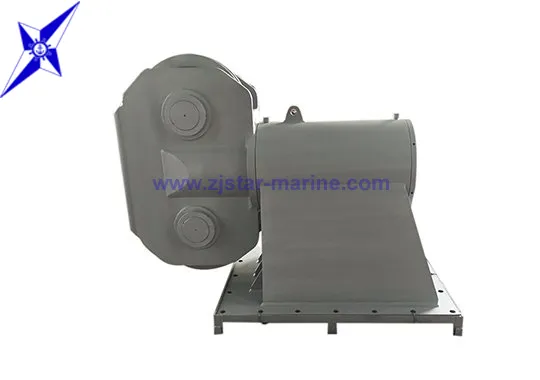
Core Functional Differences: Panama Chock vs Pedestal Fairlead
Line Path Geometry and Angular Deviation Tolerance
Panama chocks feature enclosed horn designs that restrict mooring line deviation to ≤15° from centerline—ideal for predictable berthing angles. Pedestal fairleads, by contrast, accommodate dynamic angular deviations exceeding 30° using rotating rollers, making them essential in environments subject to tidal shifts or vessel drift. This geometric distinction directly affects operational safety: chocks demand precise vessel positioning to avoid abrupt line angles, while fairleads’ wider tolerance enhances resilience in volatile ports.
Load Distribution, Friction Management, and Structural Integrity Under Tension
Panama chocks concentrate loads at horn contact points, increasing wear risk when lines exceed recommended angles. Pedestal fairleads distribute tension across multiple rollers, reducing localized friction by ~40% (OCIMF, Mooring Equipment Guidelines, 2023). Under extreme tension (>200 tonnes), roller assemblies dissipate heat more effectively than static chocks, preserving structural integrity and minimizing deformation risk. For vessels requiring frequent repositioning, this friction management significantly lowers the likelihood of dangerous snap-back incidents.
Application-Specific Performance: Matching Hardware to Vessel Type and Terminal Environment
Ro-Ro Ferries and Short-Stay Terminals: Why Panama Chocks Excel
Panama chocks are especially well-suited for Ro-Ro ferries and high-turnover terminals where mooring durations average under two hours. Their open-top, curved-horn design enables rapid line handling and minimizes angular deviation stress—reducing rope wear by up to 40% over repeated docking cycles. This benefit is particularly valuable in tidal zones, where vertical vessel movement would otherwise amplify line fatigue. Unlike fully enclosed fairleads, Panama chocks allow immediate visual inspection for damage after each operation—supporting proactive safety management in fast-paced environments.
Container Ships and LNG Carriers: The Case for Pedestal Fairleads and Hybrid Panama-Pedestal Assemblies
Pedestal fairleads deliver superior load distribution for mega-vessels such as container ships and LNG carriers, where mooring tensions routinely exceed 300 tonnes. Their enclosed roller system maintains consistent line geometry during berthing, mitigating snap-back hazards. In mixed-fleet terminals, hybrid Panama-pedestal assemblies offer a balanced solution: the chock’s wide-angle tolerance accommodates tidal motion, while integrated rollers manage peak loads. According to 2023 mooring safety studies, these hybrid configurations reduce peak bollard stress by 25–30% compared to standalone systems—and help preserve synthetic rope integrity during extended berths, a critical factor for cryogenic carriers requiring stable, vibration-free positioning.
Critical Selection Criteria for Modern Mooring Systems
Selecting appropriate mooring hardware requires rigorous evaluation beyond initial cost. Corrosion resistance is foundational—especially in saltwater environments, where material degradation contributes to over 40% of mooring system failures (Maritime Engineering Journal, 2022). Reputable manufacturers validate alloys against ISO 12944 C5-M classification for high-corrosivity marine zones, with duplex stainless steel now widely recognized as optimal for critical components.
Load distribution dynamics form a second decisive criterion. Panama chock configurations inherently reduce point loading by 15–30% compared to traditional fairleads when subjected to multi-directional forces—making them especially effective for vessels with variable berthing approaches.
Finally, integrated maintenance protocols determine long-term viability. Hardware designed for visual inspection of wear grooves and equipped with accessible greasing points can cut dry-dock interventions by up to 50%, directly enhancing operational availability. The convergence of corrosion resilience, load management efficacy, and serviceability defines hardware lifespan—and ultimately safeguards vessel integrity throughout the mooring cycle.
FAQ
What is the main difference between Panama chocks and pedestal fairleads?
Panama chocks utilize enclosed horn designs suitable for predictable berthing angles with angular deviations ≤15°, while pedestal fairleads accommodate larger angular deviations exceeding 30° due to their rotating rollers, making them ideal for dynamic port environments.
Why are Panama chocks better for Ro-Ro ferries?
Panama chocks excel in short-stay scenarios common in Ro-Ro ferries due to their open-top design, which allows for rapid line handling, reduces rope wear, and facilitates faster inspections post-operation.
Are pedestal fairleads suitable for high-tension applications?
Yes, pedestal fairleads are designed for high-tension scenarios, often exceeding 300 tonnes, as their roller assemblies effectively distribute loads and reduce friction, preserving mooring line integrity.
What is the advantage of hybrid Panama-pedestal assemblies?
Hybrid assemblies provide flexibility and precision by combining the wide-angle tolerance of Panama chocks with the superior load management of pedestal fairleads, making them ideal for mixed-fleet or high-tension applications.
What criteria should be prioritized when selecting mooring hardware?
Key criteria include corrosion resistance (preferably materials meeting ISO 12944 C5-M standards), load distribution dynamics, and the inclusion of features for simplified inspection and maintenance.