 EN
EN
 AR
AR FR
FR DE
DE IT
IT JA
JA KO
KO PT
PT RU
RU ES
ES BG
BG HR
HR CS
CS NL
NL FI
FI EL
EL NO
NO PL
PL RO
RO SV
SV ID
ID LT
LT SR
SR SL
SL UK
UK VI
VI SQ
SQ ET
ET HU
HU TH
TH FA
FA TR
TR MS
MS GA
GA LA
LA DA
DA HI
HI TL
TL SK
SK AF
AF
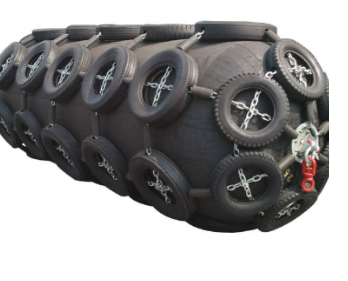
Cylindrical and Inflatable Marine Fenders: Core Types for Most Vessels
Cylindrical fenders: The industry-standard rubber fender for commercial berths and midsize vessels
Cylindrical fenders are the most widely deployed marine fenders in commercial infrastructure, valued for their high energy absorption, structural simplicity, and long service life. Extruded from durable synthetic rubber—typically EPDM or chloroprene—they efficiently convert kinetic energy into heat during vessel impact, minimizing damage to both hulls and berthing structures. Their cylindrical geometry accommodates variable freeboard heights and tidal ranges, making them ideal for ports, harbors, and shipyards serving vessels up to 50,000 DWT. With minimal maintenance requirements and straightforward chain or rope mounting systems, they deliver low lifecycle costs and proven reliability across decades of operation—even under heavy, repeated impacts.
Inflatable fenders: Portable, lightweight alternatives ideal for recreational boaters and seasonal use
Inflatable fenders provide adaptable protection for smaller vessels where portability, storage efficiency, and ease of deployment are priorities. Constructed from reinforced PVC or multi-layer rubber composites, they offer controllable cushioning via adjustable internal pressure—ideal for yachts, fishing boats, and seasonal marina use. Their collapsible design saves valuable deck or dock space, while UV- and salt-resistant materials ensure resilience in coastal environments. Though not engineered for continuous high-energy berthing like cargo terminals require, they excel at temporary moorings, tender docking, and facilities with fluctuating traffic volumes.
Material Science Behind Marine Fenders: Rubber, Foam, and Composites
Natural and synthetic rubber fenders: Superior energy absorption and long-term durability in tidal and high-impact environments
Rubber remains the benchmark material for high-performance marine fenders due to its unmatched combination of elasticity, hysteresis, and environmental resistance. While natural rubber delivers exceptional elongation and recovery, synthetic variants—including neoprene, EPDM, and SBR—are preferred for critical infrastructure because they better resist ozone, oil, and UV degradation without sacrificing shock absorption. These formulations maintain consistent performance across extreme conditions: from freezing Arctic waters (-30°C) to tropical sun exposure (+60°C), all while resisting abrasion, salinity-induced corrosion, and prolonged submersion. Unlike foam-based alternatives, solid rubber fenders retain full buoyancy and structural integrity even after surface cuts or scuffing—making them the only choice for terminals governed by ISO 17357:2014 and other international safety standards.
How to Select the Right Marine Fender: Size, Environment, and Performance Requirements
Matching fender size and type to vessel displacement and docking energy—aligned with ISO 17357 standards
Selecting the correct fender begins with calculating the vessel’s berthing energy—based on displacement, approach speed, and angle—and applying ISO 17357:2014 guidelines to determine required reaction force and compression characteristics. For instance, a 25,000 DWT cargo vessel berthing at 0.15 m/s typically requires cylindrical fenders rated for ~180 kN reaction force at 60% compression. Oversizing increases cost and reduces contact efficiency; undersizing risks hull deformation or dock damage. Always apply a minimum 25% safety margin above calculated energy to account for unpredictable variables like wind, current, or operator error.
Environmental resilience: Prioritizing UV resistance, salinity tolerance, and thermal stability for lasting performance
Environmental stressors directly influence fender longevity—especially in exposed or climatically extreme locations. Specify compounds with integrated UV stabilizers (e.g., HALS additives), chlorobutyl inner liners to block salt permeation, and thermal stability across -40°C to +70°C. These features are validated through accelerated aging tests per ASTM D573 and ISO 4892-3, and are routinely confirmed by manufacturers to support service lives exceeding 10 years in high-traffic ports—even when subjected to daily tidal cycling and direct sunlight.
FAQ
What are the main types of marine fenders discussed in the article?
The article discusses cylindrical marine fenders and inflatable marine fenders. Cylindrical fenders are used for commercial berths and midsize vessels due to their durability and high energy absorption, while inflatable fenders are ideal for smaller vessels, offering portability and adjustable cushioning.
What materials are commonly used for cylindrical fenders?
Cylindrical fenders are typically made from synthetic rubber such as EPDM or chloroprene for durability and resistance against environmental stressors.
Why are inflatable fenders suitable for recreational boating?
Inflatable fenders are portable, lightweight, easy to deploy, and collapsible for storage efficiency. Their UV and salt-resistant construction makes them ideal for seasonal and recreational use.
How should one select the right marine fender for a vessel?
Selecting the right fender involves calculating the vessel's berthing energy, considering displacement and docking requirements, and choosing a size that adheres to ISO 17357 standards while accounting for environmental resilience.
What factors affect the longevity of marine fenders?
UV resistance, salinity tolerance, and thermal stability are key factors. Choosing fenders with integrated UV stabilizers and validated materials ensures performance across extreme environmental conditions.
Table of Contents
- Material Science Behind Marine Fenders: Rubber, Foam, and Composites
- How to Select the Right Marine Fender: Size, Environment, and Performance Requirements
-
FAQ
- What are the main types of marine fenders discussed in the article?
- What materials are commonly used for cylindrical fenders?
- Why are inflatable fenders suitable for recreational boating?
- How should one select the right marine fender for a vessel?
- What factors affect the longevity of marine fenders?