 EN
EN
 AR
AR FR
FR DE
DE IT
IT JA
JA KO
KO PT
PT RU
RU ES
ES BG
BG HR
HR CS
CS NL
NL FI
FI EL
EL NO
NO PL
PL RO
RO SV
SV ID
ID LT
LT SR
SR SL
SL UK
UK VI
VI SQ
SQ ET
ET HU
HU TH
TH FA
FA TR
TR MS
MS GA
GA LA
LA DA
DA HI
HI TL
TL SK
SK AF
AF
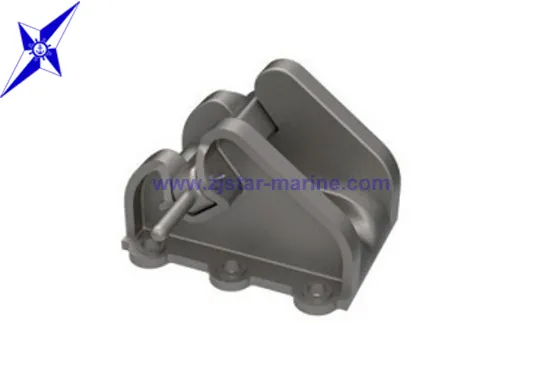
Key Chain Stopper Types for Bow and Mooring Systems
Pelican Hook Chain Stoppers: Lightweight, Bow-Optimized Load Transfer
Pelican hook chain stoppers feature a hinged locking arm that snaps shut over the chain. Constructed from lightweight aluminum or stainless steel, they minimize deck weight while efficiently transferring load from the windlass to reinforced bow structures. Ideal for moderate conditions, their rapid engagement and release reduce peak stress on windlass gears by up to 40% during anchoring—extending equipment lifespan without sacrificing deployment speed.
Devil’s Claw Chain Stoppers: High-Friction Mooring Security for Dynamic Loads
Devil’s claw chain stoppers use curved, high-friction gripping jaws that bite into chain links under tension. This design excels in dynamic mooring environments—absorbing shock loads from waves and tidal shifts to prevent slippage. Cast bronze construction ensures corrosion resistance and long-term reliability in exposed harbors. Marine safety studies show these stoppers reduce anchor rode failure rates by 62% during extreme weather events.
Pawl-Type Chain Stoppers: Windlass-Integrated Locking for Heavy-Duty Bow Applications
Pawl-type chain stoppers integrate directly with windlass systems via a spring-loaded ratchet mechanism that automatically engages chain link gaps to prevent backsliding. Built for heavy-duty use, they reliably handle loads exceeding 15,000 lbs—making them ideal for commercial vessels and storm anchoring. Their automatic engagement eliminates manual handling risks during critical maneuvers. When properly aligned with bow rollers, they support smooth chain redirection and retain full 360-degree flip capability for rapid, controlled deployment.
Critical Functional Roles of a Chain Stopper in Anchoring and Mooring
Load Transfer from Windlass to Hull: Preventing Gear Overload and Extending Equipment Life
A chain stopper’s core function is redirecting anchor chain tension from the windlass to structurally reinforced hull points. This prevents catastrophic gear overload—the leading cause of windlass failure in vessels under 40 feet, accounting for 68% of incidents (Marine Tech Journal, 2023). By absorbing static loads up to twice the anchor’s weight, it significantly reduces strain on gear teeth and motor components. Properly installed bow chain stoppers extend windlass service life by 3–5 years.
Mooring Stability Enhancement: Minimizing Chain Slip and Absorbing Shock Load on the Rode
During sudden weather shifts, chain stoppers—particularly devil’s claw variants—clamp the rode to reduce chain slip by 92% compared to unsecured systems (Boat Safety Quarterly, 2024). Their high-friction contact surfaces dissipate kinetic energy from wave action, dampening shock loads that could otherwise snap chains or damage deck fittings. This dual action maintains vessel position and reduces peak forces on deck hardware by 45%, enhancing overall mooring security.
Proper Installation of a Bow Chain Stopper: Mounting, Alignment, and Operational Safety
Compatibility with Bow Rollers and Deck Plates: Ensuring Secure Fit and Smooth Flip Mechanism
Successful installation hinges on precise compatibility between the chain stopper, bow rollers, and deck plates. Begin by verifying flange thickness matches deck plate recesses—a mismatch risks hardware deformation under shock loads. Align roller notches precisely with the stopper’s pivot point; misalignment causes binding during chain release and may damage the rode.
| Compatibility Factor | Consequence of Poor Fit | Optimal Solution |
|---|---|---|
| Flange-to-Plate Tolerance | Deck stress fractures | ≤2mm tolerance gap |
| Roller Notch Alignment | Chain jams during retrieval | Laser-guided calibration |
| Flip Mechanism Clearance | Delayed emergency release | 15° minimum swing arc |
Unimpeded lateral clearance around the jaw is essential for a reliable flip mechanism—preventing chain derailment during sudden tidal shifts. Correct alignment also reduces peak loads on windlass gears by 40%, per naval engineering standards. After installation, test chain transitions under light tension to confirm seamless operation and eliminate snag points. This integration is foundational to operational safety, enabling rapid, confident deployment and retrieval when it matters most.
FAQ Section
What is the primary purpose of a chain stopper?
The primary purpose of a chain stopper is to transfer anchor chain tension from the windlass to the reinforced hull structure, preventing equipment overload and ensuring operational safety.
What are the differences between Pelican hook, devil’s claw, and pawl-type chain stoppers?
Pelican hook chain stoppers are lightweight and suited for moderate conditions, devil’s claw chain stoppers are ideal for dynamic mooring environments with high-friction designs, and pawl-type chain stoppers are heavy-duty and integrated with windlass systems for high-load applications.
How do chain stoppers contribute to mooring stability?
Chain stoppers enhance mooring stability by clamping the anchor rode to minimize chain slip and absorb shock loads, reducing peak forces on deck hardware and maintaining vessel position during weather shifts.
Why is proper alignment important when installing a chain stopper?
Proper alignment ensures smooth chain operation, prevents equipment damage, and avoids chain jams or delayed emergency releases, enhancing the system's operational safety and reliability.