 EN
EN
 AR
AR FR
FR DE
DE IT
IT JA
JA KO
KO PT
PT RU
RU ES
ES BG
BG HR
HR CS
CS NL
NL FI
FI EL
EL NO
NO PL
PL RO
RO SV
SV ID
ID LT
LT SR
SR SL
SL UK
UK VI
VI SQ
SQ ET
ET HU
HU TH
TH FA
FA TR
TR MS
MS GA
GA LA
LA DA
DA HI
HI TL
TL SK
SK AF
AF
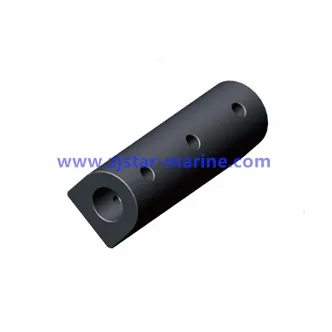
Piljardid : kindel kinnitamine teras- ja betoonmerekangas
Kruvitud vs. sissepandud ankurid: õige kinnitussüsteemi valimine merepõhjafenderite jaoks
Poltläbipõhised süsteemid tagavad teraspalkide jaoks üleüldiselt parema nihkekindluse, läbides teraspalki täielikult sisekõverdustega vardadega – seetõttu on nad ideaalsed kõrgsurvelistele kohaletoomistele, kus põhjustab külgsuunaline koormus üle 50 kN/m². Sissepõhjustatud ankurid on vastupidi eelistatud betoonpalkide puhul: epoksiühendusega armeeritud betoonkäppide kogumid jaotavad koormusi palkide massi üle, suurendades struktuurilist tugevust tsükliliste lainete mõjul. Korrosioonikindlus on tingimata vajalik – mereklassi roostevabast terasest (A4/316) komponendid takistavad galvaanilist lagunemist soolases vees. Lainealadel, kus veetaseme kõrgus kõigub, võimaldavad poltläbipõhised konfiguratsioonid paigaldamise järgseid kohandusi, erinevalt püsivatest sissepõhjustatud lahendustest. Aluspinnase sobivust tuleb alati kontrollida: teraspalkide puhul on turvalise polti läbimiseks vajalik minimaalne seinapaksus 12 mm; betoonpalkide puhul peavad ankrude sügavused olema 20% suuremad kui tavapärastes maas rakendustes, et arvestada dünaamilisi merekoormusi.
Paigaldus samm-sammult: märgistamine, puurimine, järkjärguline pingutamine ja veekindel õhukese kinnituse tegemine
Alustage laserjuhitud märgistamisega, et paigutada fenderühikud ±3 mm täpsusega – see on oluline ühtlase koormajaotuse tagamiseks. Kasutage terveid ja täpseid auguauke betoonis teeb diamandotsaga südamikpuurimisseadmed; teraspilede puhul kasutage karbiidotsaga puurimisvõtmeid ja jahutusvedelikku, et vältida töödeldava materjali kõvastumist. Rakendage järkjärgulist pingutamist kolmes kalibreeritud etapis: esmalt käepingutus, seejärel 50% nihkejõu rakendamine ja lõpuks lõppnihkejõu rakendamine tootja spetsifikatsioonide kohaselt kalibreeritud ja jälgitavate tööriistadega – see takistab materjali deformatsiooni ja tagab ühtlase kokkusurumise. Kinnitage kõik kruvikaanid polütsulfidtihendusmassiga ja kaitske kinnituskruveid ohverdamisanoodidega. Paigalduse järel viige läbi tagasipõrkumise test, et kinnitada, et energia neelamine vastab PIANC 2020 fenderite töökindluse suunistele laeva veeskaalu klassi järgi.
Ujuvad fenderid: ujuvate konstruktsioonide ja pontoonide paigalduse optimeerimine
Dünaamilised kompensatsioonimeetodid: liikuvad raudteed ja riputatud paigaldused tõmbetõrke muutlikkuse korral
Veepinna kõikumised nõuavad kohanduvaid paigaldusviise. Liikuvad raudteed – vertikaalsed, põndritele kinnitatud traadid – võimaldavad fenderite vabat liikumist koos tidega, mis on oluline võimekus kohtades, kus tidevahemik ületab 4 meetrit. Need raudteed jaotavad koormad ühtlaselt põndrite ühenduste vahel ning vähendavad kohalikku pinget. Riputatud paigaldused kasutavad tsinkitud ketisid ja löökide neelamiseks mõeldud kinnituspoldreid fenderite riputamiseks, võimaldades enese-kohandust laeva sissesõidu ajal ning säilitades optimaalse kontakt rõhu. Modulaarsed ujuvad konstruktsioonid saavad mõlemast meetodist olulist kasu, kuna ühendatud sektsioonid nõuavad kompensatsiooni igas ühenduskohas. Järkjärguline kinnitusdetailide pingutamine takistab vibratsioonipõhjustatud lööbuvust ja võimaldab soojuspaisumist ilma täpsuse kaotamiseta.
Kohaletoomise täpsuse tagamine: kontaktjoone joondamine ja koormuste teekonna kontroll
Täpne kontaktjoone joondamine tagab, et laevad puutuvad kokku kummipadjadega määratud kerepiirkonnas – see on oluline eelarvamatava energiakogumise ja kere kaitse tagamiseks. Tehnikud peavad kontrollima horisontaalset asendit pontooni servade suhtes laserjuhitud tööriistadega ning veenduma, et vertikaalne vahemaa vastab laeva sügavuse profiilile. Koormuste teekonna valideerimine hõlmab staatilist survekatset, et simuleerida kohale sõitmise mõju ja kinnitada, et energia ülekanne toimub õigesti alamkonstruktsioonidele. Defleksiooninurkade ja reaktsioonijõudude sensorite abil mõõtmine tuvastab enne ekspluatatsiooni kasutuselevõttu ebakorrapäraseid pinge-koondumisi – see takistab modulaarsete ühenduste väsimust ja tagab, et energiakogumine jääb projektis määratud spetsifikatsioonide piires ±10% ulatuses. Tideetsükli kontrollid tuleb teha regulaarselt, et säilitada joondustäpsus ujuvate struktuuride nihkumisel.
Seina külge monteeritavad kummipadjad: integratsioon dokiga ja kai betoon- või terasseinadega
Paneelile monteeritavad süsteemid vs. U-kinnitusvahendid: vahemaa, ahela liikumispiirkond ja konstruktsiooniline ühilduvus
Kai-postide kaitseplaatide valik peab vastama alusmaterjali tüübile ja kasutustingimustele. Paneelkinnitusega süsteemid kinnitatakse otse kai seintele ankurplaadide abil – see on ideaalne lahendus piiratud ruumala korral, kui vajalik on väikest vahemaad ja eelistatav on lineaarne koormuse ülekanne. Siiski nõuavad nad täpset konstruktiivset joondumist, et vältida pinge tihenemist, eriti liikuvates veekogudes. U-kujuliste kinnitusribadega süsteemid riputavad kaitseplaate kettedele või vardadele, mis võimaldab laeva sisenemisnurga kõikumist kuni 15° – see teeb neid sobivaks vananenud kaiplatvormidele, mille kandevõime on muutlik, või juhtudel, kus veetaseme kõikumine ületab 1,5 meetrit. Betoonkai puhul peab survetugevus olema suurem kui 25 MPa; terasest lehtlaudade seintel peavad keevituskinnitusribad vastama ISO 12944 C5-M korrosioonikaitse nõuetele. Prioriteediks paneelkinnitused kõrgelt koormatud kohas, kus on vaja minimaalset hooldust; U-kujulised kinnitusribad tuleks valida siis, kui prioriteediks on kohanduvus ja vastupidavus liikumisele.
Ristuvad parimad tavapraksised: ohutus, seadistamine ja aluskonstruktsiooni valmisolek
Sõltumata fenderi tüübist — põrke-, ujuv- või seinakinnitusega — tagavad ühtsed aluspõhimõtted pikaaegset ohutust, usaldusväärsust ja vastavust:
- Aluskonstruktsiooni kontroll: Hinnake tihvtid, seinad või pontoonid enne paigaldust korrosiooni, pragude, kihistumise või vale paigutuse suhtes, mis võivad ohustada koormuse talumisvõimet.
- Turvatöötused: Kehtestage kohustuslik isikukaitsevarustus kogu personalile ja rakendage lukustus-/märgistusprotseduure puurimise, keevitamise või pingutamise ajal mereinfrastruktuuri läheduses.
-
Kasutuselevõtu range läbiviimine: Kinnitage toimivus etapphaaval toimuvas kasutuselevõtuprotsessis:
- Kontrollige kruvipead, joondumist ja kinnitusdetailide terviklikkust.
- Kinnitage ühtlane kokkupuutepindala täieliku fenderi esipinna all väikese eelkoormuse all.
- Kinnitage drenaažiteed ja tihenduste terviklikkus — sealhulgas polütsulfidi süstlemine ja anoodide katvus.
- Dokumentatsioon ja koolitus: Esitage selged, asukohaspeciifilised kasutus- ja hoolduskäsiraamatud. Korraldage hooldusteamidele praktiline koolitus inspektsioonite intervallide, keerumomendi uuesti kontrollimise, anoodide vahetuse ja dokkpostide fenderite ning ujuvate süsteemide visuaalse seisundi hindamise kohta.
KKK jaotis
-
Millised on olulisemad tegurid merepilu fenderite kinnitussüsteemi valikul?
Poltide läbipõhjustatud kinnitussüsteemid sobivad ideaalselt teraspiludele, millele mõjub suur põhjapõhine koormus, samas kui sisseehitatud ankruühendused sobivad parimalt betoonpiludele, et koormusi jaotada ja struktuurilist tugevust parandada. -
Kuidas tagatakse pilu fenderite paigalduste korrosioonikindlus?
Kasutage mereklassi roostevabast terasest komponente (A4/316) ja hermeetikustage polüsulfiidhermeetikaga poltide ümbrisega, et vältida veesissetungimist ja galvaanilist degradatsiooni. -
Miks kasutatakse ujuvate fenderite paigaldustes liugraipu?
Liugraipud võimaldavad fenderitel liikuda veetaseme kõikumiste järgi, tagades seega pideva kontakt rõhu ja minimeerides pontoonidele mõjuvaid pingeid. -
Mis on U-kinnitusseadistused ja millal neid tuleks kasutada?
U-kinnitusseadistused riputavad fenderi ketistesse või vardadesse, et kohanduda laeva liikumisele ja muutuvatele tingimustele – see on ideaalne lahendus nurga all sõidetavatele kohadele või vanematele kaiplatvormidele. -
Kuidas saab energiakahjutuse kontrollida pärast paigaldamist?
Tehke tagasipõrkumise test ja staatiline surveproov, et kinnitada vastavust töökindluse suunistele, näiteks PIANC 2020, tagamaks tõhusa energiakandmise.
Sisukord
- Piljardid : kindel kinnitamine teras- ja betoonmerekangas
- Ujuvad fenderid: ujuvate konstruktsioonide ja pontoonide paigalduse optimeerimine
- Seina külge monteeritavad kummipadjad: integratsioon dokiga ja kai betoon- või terasseinadega
- Ristuvad parimad tavapraksised: ohutus, seadistamine ja aluskonstruktsiooni valmisolek
- KKK jaotis